


The Future of Work: How AI and Automation Are Redefining Careers
The workplace of tomorrow is already taking shape today. Artificial Intelligence (AI) and automation are reshaping not just processes and industries, but the very nature of careers, roles, and skills required in a rapidly evolving economy. From manufacturing floors to corporate offices, AI-driven systems are enabling unprecedented efficiency, predictive analytics, and real-time decision-making, challenging traditional concepts of employment and job security.
Innovatov explores these shifts in depth, providing professionals and businesses with insights, case studies, and frameworks to understand and adapt to the future of work. This analysis goes beyond surface trends, highlighting the interplay between technology, human skills, and organizational strategy to navigate the opportunities and risks that AI and automation present.
The Changing Skill Landscape
One of the most visible impacts of AI on the workforce is the transformation of skills that are in demand. Routine and repetitive tasks across sectors are increasingly automated, reducing the need for manual intervention while increasing the importance of problem-solving, critical thinking, creativity, and emotional intelligence. For instance, AI-powered customer service chatbots handle basic queries, allowing human agents to focus on complex problem resolution and empathetic engagement.
Innovatov emphasizes proactive skill development strategies. Upskilling and reskilling are no longer optional; they are essential for career resilience. Programs that integrate AI literacy, data interpretation, and digital collaboration equip professionals to work effectively alongside intelligent systems. Moreover, interdisciplinary skills—combining technical knowledge with domain expertise—are increasingly valuable in a landscape where human judgment complements algorithmic efficiency.
AI and Automation Across Industries
Different industries experience AI’s influence in unique ways. In healthcare, AI assists in diagnosing conditions, optimizing treatment plans, and predicting patient outcomes, freeing medical professionals to focus on nuanced decision-making and patient care. In finance, automated trading systems, fraud detection, and predictive analytics are redefining the roles of analysts and advisors. Even creative industries are evolving; AI tools support content creation, video editing, and design, enabling creative professionals to focus on strategy, vision, and refinement rather than repetitive tasks.
The key insight is that AI does not eliminate human contribution; it reshapes it. Innovatov provides case studies demonstrating how organizations can integrate AI in ways that enhance human capabilities, increase productivity, and foster innovation while maintaining ethical responsibility and regulatory compliance.
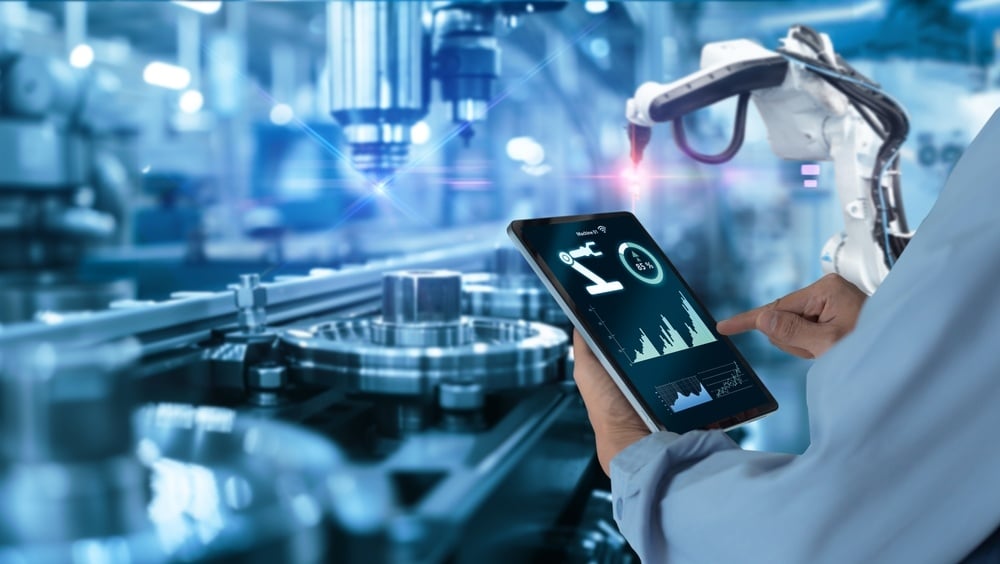
AI is not replacing humans—it is redefining how, where, and why we work, creating a new frontier of opportunity.
Balancing Automation with Human Judgment
While automation streamlines repetitive tasks, human judgment remains irreplaceable in nuanced decision making, ethical reasoning, and creative problem-solving. Innovatov emphasizes structured frameworks to blend AI insights with human expertise. For example, predictive analytics can identify emerging market trends, but strategic leaders must interpret these signals within the context of broader organizational objectives and societal considerations.
By establishing clear boundaries and collaboration points between AI systems and employees, businesses can maximize the value of automation while ensuring accountability, fairness, and ethical integrity in decision-making. This approach transforms AI from a threat to an empowering tool that expands the role of human professionals.
Remote Work, Digital Collaboration, and AI
The rise of remote work and digital collaboration platforms has accelerated the integration of AI in daily operations. AI-powered project management tools, virtual assistants, and productivity trackers enable seamless coordination across teams, geographies, and time zones. Organizations can monitor progress, allocate resources intelligently, and predict potential bottlenecks, allowing proactive intervention.
Innovatov provides guidance on designing hybrid work environments where AI tools complement human collaboration. Employees gain access to data-driven insights that improve decision-making, reduce repetitive work, and foster innovation while maintaining flexibility, autonomy, and engagement.
Ethics, Job Displacement, and Workforce Planning
One of the most debated aspects of AI adoption is its impact on employment. While AI creates new opportunities, it may also displace certain roles, particularly those involving repetitive tasks. Innovatov explores responsible workforce planning, emphasizing reskilling programs, ethical AI deployment, and proactive communication to minimize disruption.
Organizations that anticipate change, involve employees in transition planning, and prioritize human-centric AI adoption are better positioned to retain talent, maintain morale, and foster a culture of continuous learning. Ethical considerations also extend to fairness, bias mitigation, and transparent use of algorithms in employee evaluations, promotions, and hiring.
Conclusion
The future of work is not a distant horizon—it is unfolding today. AI and automation are transforming industries, redefining roles, and creating new expectations for skills and collaboration. Professionals who embrace continuous learning, cultivate interdisciplinary expertise, and develop AI literacy will thrive in this evolving landscape.
Innovatov equips businesses and individuals to navigate this transformation, providing structured insights, case studies, and practical frameworks. By combining human judgment with AI capabilities, organizations can unlock innovation, enhance productivity, and build resilient, future-ready workplaces that are adaptive, ethical, and sustainable.
Leave a Reply