

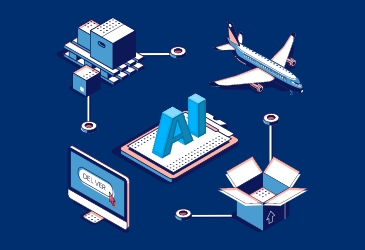
AI in Supply Chain and Logistics: Driving Efficiency and Resilience
The modern supply chain is a complex, interconnected network that spans production, warehousing, transportation, and distribution. Traditional supply chains often struggle with inefficiencies, unpredictability, and limited visibility, leading to higher costs and slower response times. Artificial Intelligence (AI) is emerging as a transformative force in logistics, enabling businesses to gain unprecedented control over their operations, anticipate disruptions, and optimize every step of the value chain. By leveraging AI, organizations can build supply chains that are not only efficient but resilient in the face of global uncertainties.
Innovatov provides businesses and supply chain professionals with actionable insights, structured frameworks, and real-world case studies to harness AI effectively. Our approach emphasizes not just technology adoption but understanding its operational, financial, and strategic implications. From predictive analytics to intelligent routing and demand forecasting, AI allows organizations to shift from reactive logistics management to proactive, data-driven decision-making.
Predictive Analytics for Demand Forecasting
Demand forecasting is one of the most critical components of supply chain management. Accurate forecasts enable companies to maintain optimal inventory levels, reduce waste, and meet customer expectations. AI enhances forecasting by analyzing historical sales data, seasonal trends, market dynamics, and external factors such as economic indicators or social media sentiment. Machine learning algorithms can identify patterns that are not visible through traditional statistical methods, allowing businesses to anticipate demand surges or slowdowns with high precision.
A major advantage of AI-driven forecasting lies in its adaptability. As new data becomes available, AI models continuously update their predictions, enabling businesses to respond quickly to changing market conditions. Innovatov emphasizes the integration of these models into enterprise resource planning (ERP) systems, ensuring that insights translate into actionable inventory, procurement, and production decisions. By leveraging predictive analytics, organizations can minimize stockouts, reduce holding costs, and maintain high levels of customer satisfaction.
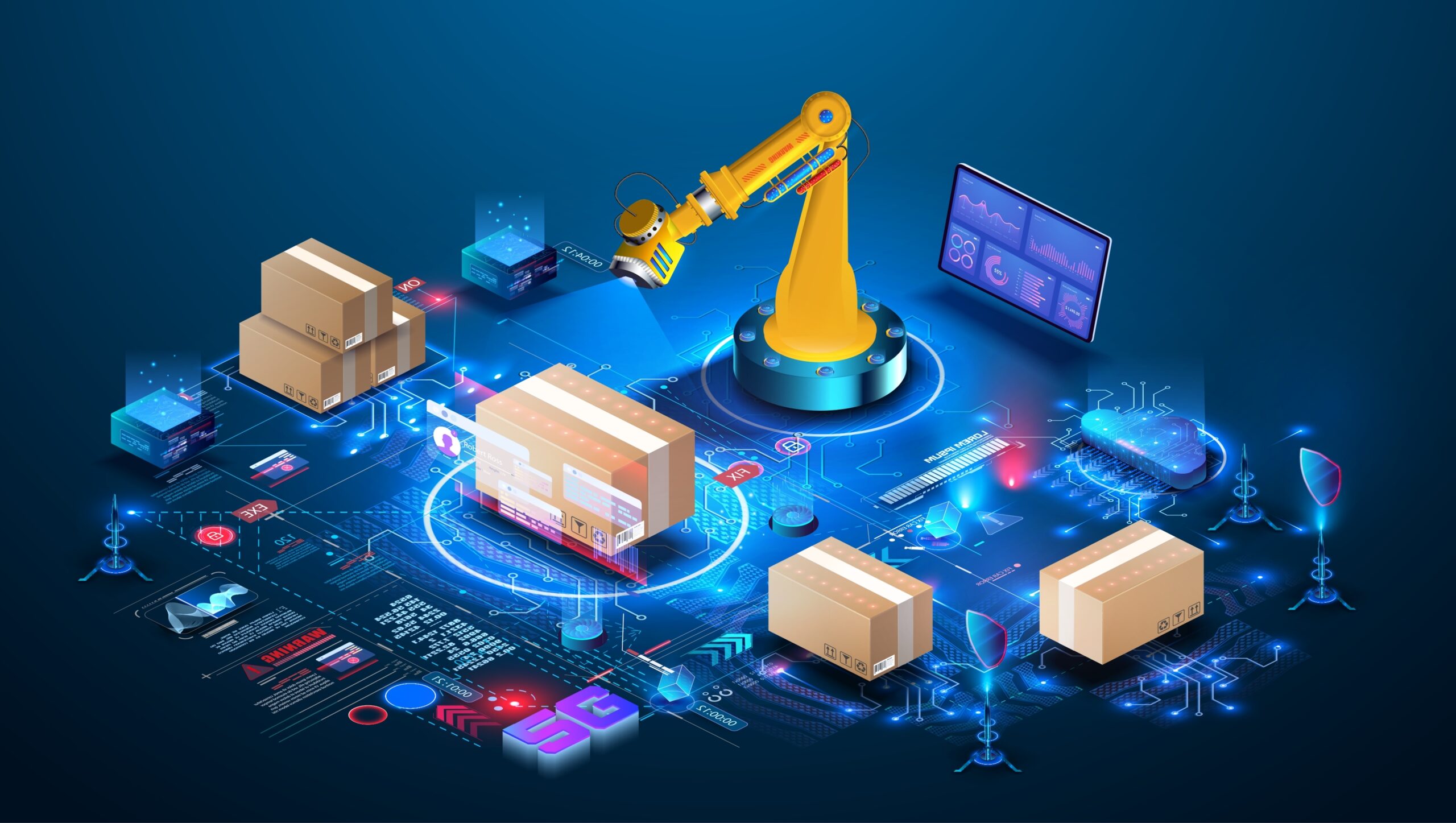
Predictive analytics turns uncertainty into actionable foresight, allowing supply chains to operate proactively rather than reactively.
Intelligent Routing and Transportation Optimization
Transportation accounts for a significant portion of supply chain costs, and inefficiencies in routing can quickly erode margins. AI enables intelligent routing by analyzing traffic patterns, weather conditions, fuel consumption, and delivery constraints. Advanced algorithms dynamically adjust routes in real-time, ensuring that shipments reach their destinations as efficiently and cost-effectively as possible. This capability is especially critical for global logistics networks where delays in one region can cascade across the entire supply chain.
Beyond cost savings, AI-driven transportation optimization improves sustainability. By reducing unnecessary mileage, optimizing load distribution, and minimizing idle time, organizations can lower carbon emissions while maintaining high service levels. Innovatov provides structured frameworks that help logistics teams implement AI routing systems, integrate them with fleet management software, and track performance metrics, ensuring that operational improvements are measurable, repeatable, and strategically aligned.
AI for Inventory Management and Warehousing
Inventory management remains a persistent challenge for businesses of all sizes. Overstocking ties up capital and increases storage costs, while understocking risks lost sales and customer dissatisfaction. AI-powered inventory systems monitor stock levels, predict replenishment needs, and optimize storage allocation in real time. Machine learning models can also anticipate slow-moving or seasonal items, guiding procurement and production decisions to minimize waste and maximize efficiency.
In warehousing, AI-powered robotics and automation enhance picking, packing, and sorting processes, reducing human error and accelerating throughput. By combining AI with IoT sensors and warehouse management systems, businesses gain real-time visibility into stock movements, storage conditions, and operational bottlenecks. Innovatov emphasizes the structured adoption of these technologies, ensuring integration with existing workflows, measurable ROI, and sustainable operational improvements.
Risk Management and Supply Chain Resilience
The COVID-19 pandemic and global geopolitical disruptions have highlighted the fragility of traditional supply chains. AI enhances resilience by identifying vulnerabilities, simulating scenarios, and recommending mitigation strategies. Predictive models can assess supplier reliability, transportation risks, and geopolitical impacts, enabling businesses to develop contingency plans before disruptions occur.
Innovatov advocates a proactive, data-driven approach to supply chain risk management. By integrating AI insights into procurement, logistics, and production planning, organizations can respond quickly to shocks, diversify sourcing strategies, and maintain operational continuity. Structured risk management using AI ensures that decisions are not reactive but based on comprehensive scenario analysis and predictive intelligence.
Ethical and Sustainable Supply Chains
AI adoption in supply chains also intersects with ethical and sustainability considerations. AI models must account for labor practices, supplier compliance, and environmental impact. Innovatov emphasizes the importance of integrating ethical frameworks alongside operational AI systems to ensure that efficiency gains do not come at the expense of social responsibility. Sustainability metrics, carbon footprint tracking, and ethical sourcing can all be embedded into AI-driven decision-making, creating supply chains that are not only efficient but socially and environmentally responsible.
Businesses that approach AI implementation with this structured, values-driven perspective gain both operational advantages and reputational benefits, positioning themselves as leaders in responsible, forward-looking supply chain management.
Conclusion
AI is reshaping supply chains and logistics by transforming complex, multi-layered networks into intelligent, responsive, and resilient systems. From predictive demand forecasting and inventory optimization to intelligent routing and risk management, AI provides actionable insights that enable businesses to operate more efficiently, sustainably, and strategically. Innovatov supports organizations in navigating this transformation, providing guidance, structured frameworks, and real-world case studies to ensure that AI adoption is both practical and impactful.
By combining technological power with human judgment, businesses can not only survive in a rapidly changing global environment but also thrive, building supply chains that are reliable, responsive, and ready for the challenges of the future.
Leave a Reply