


AI in Healthcare: Revolutionizing Diagnosis, Treatment, and Patient Care
Artificial Intelligence (AI) is no longer a concept confined to research labs—it is actively transforming the healthcare landscape, influencing how clinicians diagnose diseases, develop treatment plans, and manage patient care. The integration of AI into healthcare systems is enabling faster, more precise decision-making, reducing human error, and allowing medical professionals to focus on complex clinical reasoning rather than routine tasks. From analyzing imaging scans to predicting patient outcomes, AI is fundamentally reshaping how health services are delivered and experienced.
Innovatov explores AI’s application in healthcare through detailed case studies, structured frameworks, and insights that guide both clinicians and administrators. Our approach emphasizes not only technological implementation but also the human, ethical, and operational dimensions of AI adoption. Understanding the impact of AI in healthcare requires a holistic view, encompassing patient outcomes, workflow efficiency, regulatory compliance, and long-term strategic implications.
AI-Powered Diagnosis: Accuracy and Speed
Accurate and timely diagnosis is critical in healthcare, and AI offers unprecedented support in this domain. Machine learning algorithms can analyze complex medical imaging data, lab results, and patient histories to detect patterns that may be subtle or invisible to human observers. For instance, AI-powered radiology tools can identify early signs of conditions like cancer, cardiovascular disease, or neurological disorders with remarkable accuracy. By providing clinicians with evidence-based insights, AI helps reduce diagnostic errors, accelerate treatment initiation, and ultimately improve patient outcomes.
Innovatov emphasizes that AI in diagnosis should complement rather than replace human judgment. While algorithms excel at pattern recognition and predictive analysis, clinicians provide contextual understanding, empathy, and critical thinking that are essential in making nuanced medical decisions. Structured integration of AI ensures that medical professionals receive actionable insights without compromising ethical responsibility, clinical expertise, or patient trust.
Transforming Treatment Planning
Beyond diagnosis, AI is revolutionizing treatment planning by analyzing vast datasets of clinical studies, patient responses, and pharmacological data. Personalized medicine, guided by AI, allows clinicians to tailor interventions to individual patients based on genetic, physiological, and lifestyle factors. For example, oncology specialists use AI to predict which chemotherapy regimens are likely to be most effective for a particular patient, minimizing side effects and maximizing therapeutic efficacy.
Innovatov provides healthcare organizations with structured frameworks to implement AI-driven treatment planning safely and effectively. This includes integrating predictive analytics, clinical decision support systems, and workflow automation to enhance coordination between multidisciplinary teams. By combining AI’s analytical power with human expertise, treatment strategies become both more precise and adaptable, ensuring that care is patient-centered and outcome-focused.
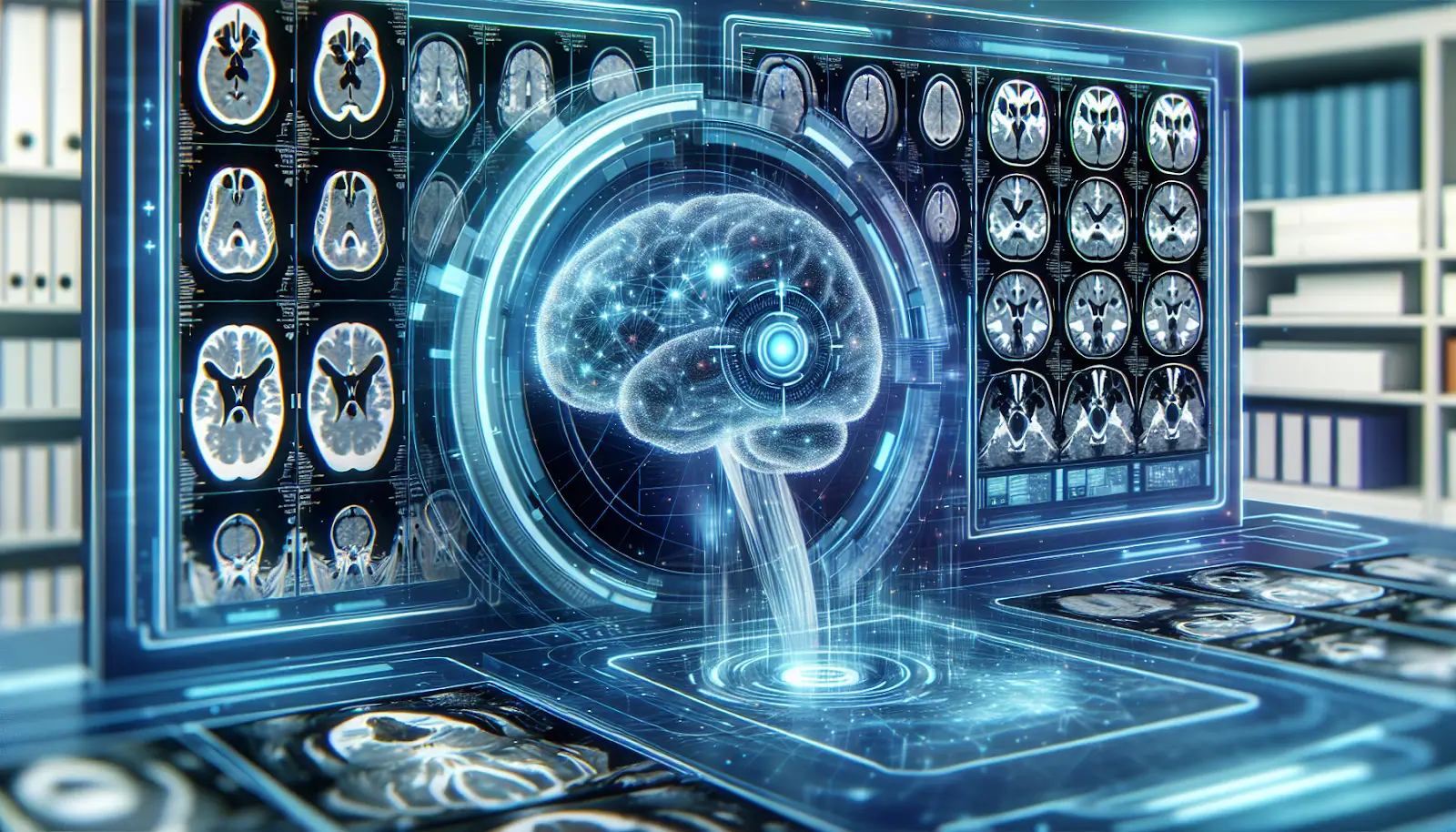
AI amplifies clinical expertise, turning vast medical data into actionable insights that improve patient outcomes.
Predictive Analytics and Preventive Care
AI’s ability to analyze longitudinal patient data, including lifestyle, genetics, and prior medical history, enables predictive healthcare that emphasizes prevention over reaction. By identifying patients at risk for chronic diseases, hospital readmissions, or acute medical events, healthcare providers can intervene proactively. Predictive analytics powered by AI allows for targeted screening, early interventions, and tailored health programs, improving quality of care while reducing costs and strain on healthcare systems.
Innovatov emphasizes that implementing predictive healthcare solutions requires structured protocols, data governance, and patient engagement strategies. Accurate predictions depend on high-quality data, continuous monitoring, and collaboration between AI systems and healthcare professionals. By integrating predictive insights with clinical judgment, healthcare organizations can shift toward a more proactive, value-driven model of patient care.
Streamlining Administrative and Operational Workflows
AI is also transforming the operational side of healthcare by automating administrative tasks such as appointment scheduling, claims processing, and medical documentation. These efficiencies free medical staff to concentrate on direct patient care, reducing burnout and improving overall productivity. Hospitals and clinics leveraging AI-driven workflow optimization report faster patient throughput, reduced operational costs, and enhanced staff satisfaction.
Innovatov provides structured guidance on designing AI-enabled workflows that balance automation with human oversight. By aligning AI implementation with clinical and operational priorities, organizations can achieve measurable benefits without compromising safety, regulatory compliance, or the quality of patient interactions.
Ethical Considerations and Responsible AI Use
AI in healthcare carries profound ethical implications. Models trained on biased datasets may perpetuate inequities, while lack of transparency in AI recommendations can erode patient trust. Innovatov emphasizes responsible AI adoption, which includes ongoing monitoring, fairness evaluation, data privacy protection, and clear communication with patients about AI’s role in their care. Ethical implementation ensures that AI enhances healthcare delivery without compromising professional integrity or patient rights.
Structured AI governance frameworks provide healthcare leaders with guidance on risk management, accountability, and continuous improvement. By proactively addressing ethical considerations, organizations ensure AI becomes a tool for equitable, safe, and patient-centered care.
Conclusion
AI’s integration into healthcare represents a paradigm shift, enhancing diagnosis, treatment, predictive care, and operational efficiency. By combining AI-driven insights with human expertise, healthcare organizations can deliver more precise, proactive, and personalized care, improving outcomes for patients and providers alike. Professionals who understand and embrace these technologies will be at the forefront of a new era in healthcare.
Innovatov equips medical institutions, professionals, and administrators with structured guidance, real-world case studies, and frameworks to implement AI responsibly and effectively. By leveraging AI as a partner rather than a replacement, healthcare organizations can achieve operational excellence, ethical innovation, and sustainable improvements in patient care.
Leave a Reply